

Between Inheritance and Responsibility
By: Jaelene Iyman
By Tuan Nguyen
In Response to GGD Student Fellows Reflect on Barcelona
I hopped on the metro on my last day in Barcelona, and that one ride summed up how our GGD panel on “Intergenerational Solidarity” hammered home ideas of, well, solidarity across generations.

We’re living in—to quote my GGD fellow Aina Mestre—what Ziauddin Sardar calls “postnormal times”—a messy, in-between zone of chaos, contradictions, and change that moves faster than we can keep up with. Passing wisdom used to be neat, like handing down a vintage old cardigan. Now, the act of passing feels more like tossing a live grenade. Alas! We have inherited a world nothing like the one the baby boomers hyped up—one of frack-baby-frack oil bros and gasoline dreamers, and still, they expect us to play nice, to care, to “be hopeful” for a future the white old men barely imagined.
Boarding the metro, I felt this comical irony in my bones. Standing on the platform, packed with people rushing in every direction, I saw Ece Temelkuran’s evocation of Kamila Shamsie’s analogy—“a church without a priest”—flash in my mind. No authority, pure chaos. Maybe, I fathom, solidarity in times of “no priest” is a chance of collective re-building of our worlds: showing up while sharing the weight of this Camusian-absurdist reality together. For that moment, the platform was our church: we students were child soldiers sitting on a shared row of seats that is literally passing through the commonly-shared ground of a scorching Earth. Even if just for a second, on that platform, we mattered to each other because our fates were ridiculously meshed together into the one fate of the train. How, then, could we ride this train together until the final destination?
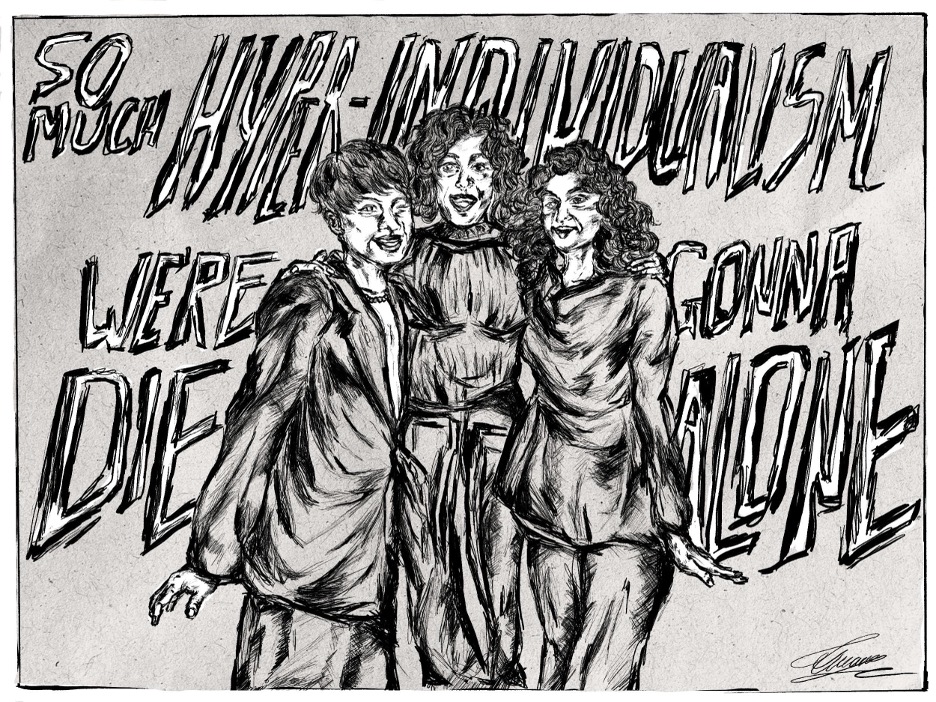
Moving through the carriages on this shared sojourn, I felt the weight of layers beneath this calamity: our inheritance. My GGD fellow, Emma Vonder Haar’s words, hit me: our bodies remember what came before, with coal dust from Appalachian mines globally etched into an all-year-round Dubai-styled summer pervading our atmosphere. The gush of hot air is forced down our throat whether we like it or not. But Cara Daggett’s idea of entropy clicked here: inheritance isn’t some entropic trash to throw out; old age—like wisdom—is like deposits waiting for someone patient enough to reuse it.
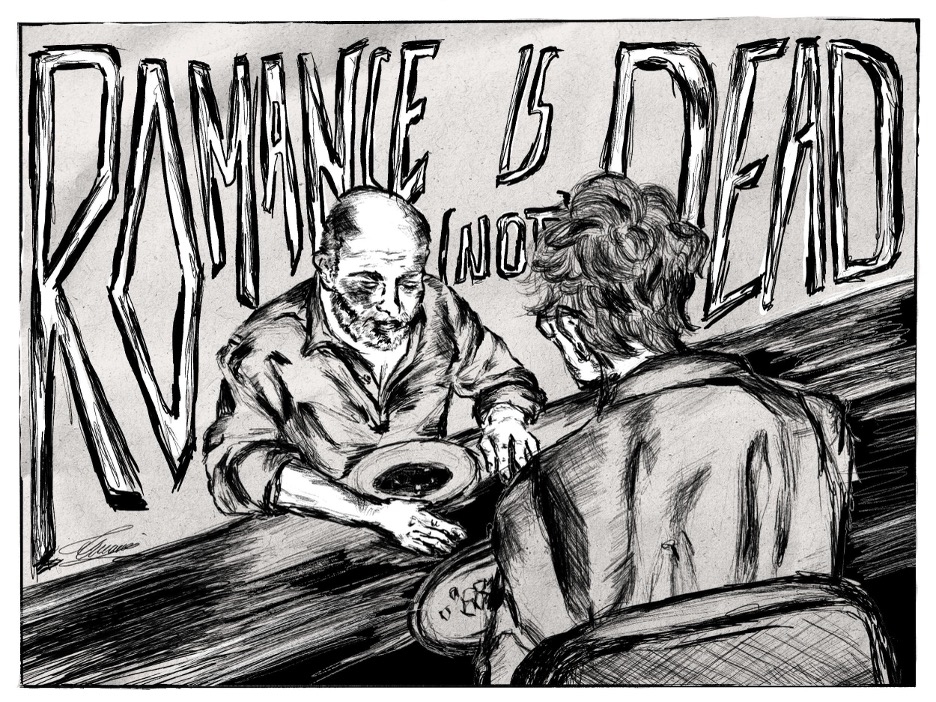
I thought, then, about my dinner with Mohsin Hamid: we acknowledged how romance is a big fat joke to Gen Z. Endless swiping, casual hookups, cynicism as default. Hamid gets that romance is a social construct, but unlike us insecure, playing-hard-to-get teenagers, he chooses to commit anyway. He chooses to breathe meaning into a construct we all know is made up. The carriage rattled along its tracks like life itself—everyone’s got deposits carried on their backs, and maybe realizing we lug the leftovers of past generations’ creation is what makes us pause, choose, and do better. The slate is never clean.
Exiting at Universitat station, this temporary convergence of fates ended. We spilled into the city, each heading our own way. Yet pieces of the ride stuck—the little inside jokes and heart-to-hearts made available only by being jammed together in the shared, congested compartment of time and space that was the train along the metro. From Tom Stoppard’s Arcadia, Septimus’ line bursted in my mind: “We shed as we pick up…what we let fall will be picked up by those behind.” Intergenerational solidarity is like that metro ride: even a second together leaves traces—the sweats, stenches and maybe—if you (un)fortunately boarded the train right after us—leftover confetti of some wild, fun-seeking young adults that get carried forward, altogether into the mix of the next ride.
Between Inheritance and Responsibility
By: Jaelene Iyman
Bridging Time: Learning Solidarity Across Generations
By: Masa Qaoud
The Rupture or Reconciliation of Intergenerational Dialogue
By: Carl Jambo
By: Allie Schlicht
Intergenerational Solidarity in a Broken World
By: Jerry Lee
From Empathy to Accountability: Rethinking Intergenerational Solidarity
By: Scarlett Goldberg