Monday, March 30, 2026
10:45 a.m. - 12:00 p.m. (GMT+03:00) Doha
The end of World War II and wider knowledge of the Shoah, Hiroshima, and the Gulag focused some of the world’s best minds–from Mahatma Gandhi to Albert Einstein and Hannah Arendt–on the problem of political evil. What is our own state of intellectual preparedness before a problem that is growing more extensive, with the spread of authoritarianism, violence, and cruelty? How do we rescue the principle of hope from a lucid understanding of our situation? Do the world’s religions and spiritual traditions represent an important resource?
Participants
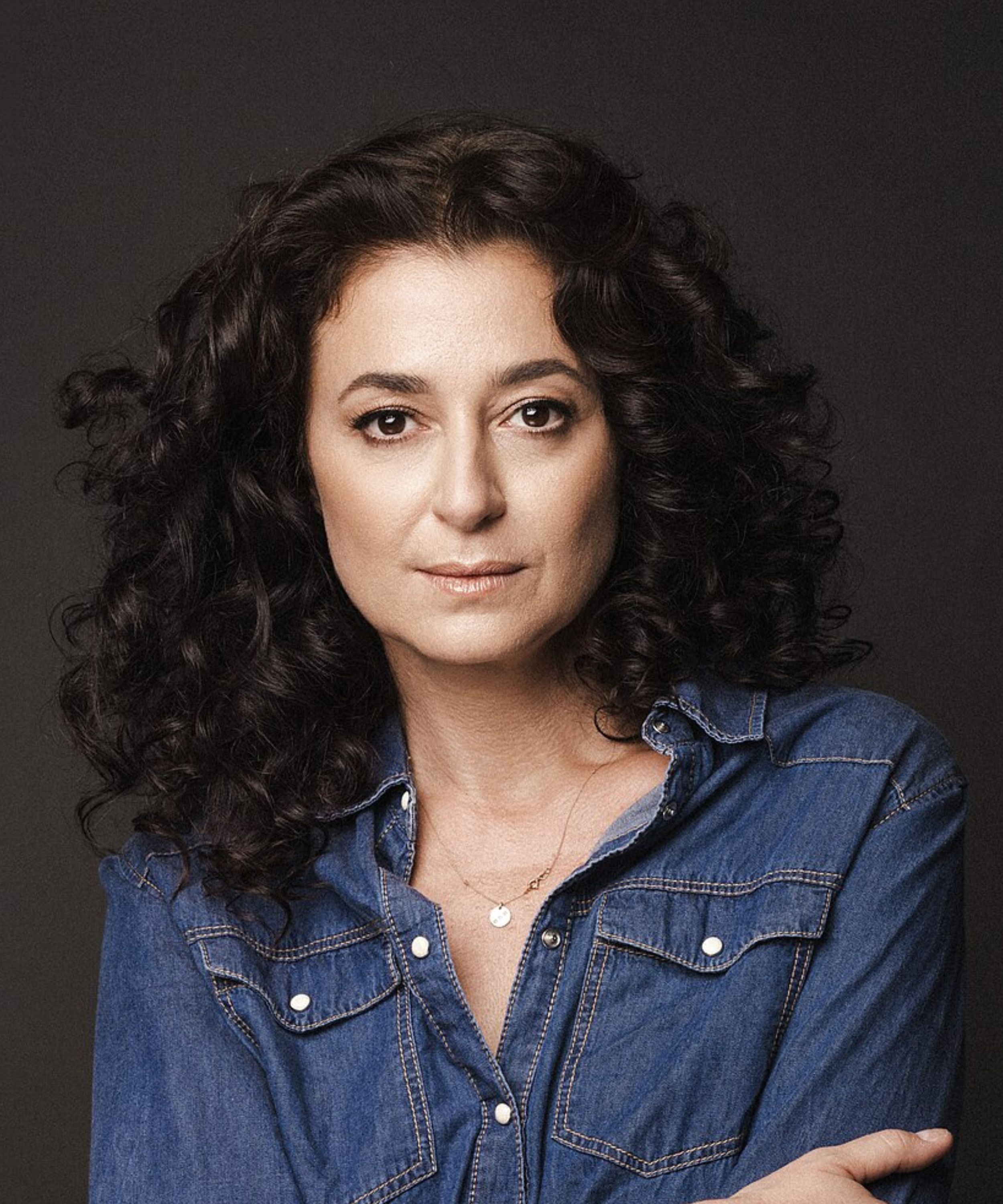
Ece Temelkuran
Ece Temelkuran is a Turkish novelist, a political thinker, and a leading analyst of the erosion of democracy and the challenge of populism on a global scale. She is the author of Together: 10 Choices for a Better Now (2021) as well as the acclaimed How to Lose a Country. The Seven Steps from Democracy to Dictatorship (2019). Her novels are published in several languages. A frequent contributor to the Guardian, New York Times, Le Monde, and other leading outlets, she is the recipient of the PEN Translates Award and the Freedom of Thought Award from the Human Rights Association of Turkey. In 2023 she received the El Mundo Award for her body of work.
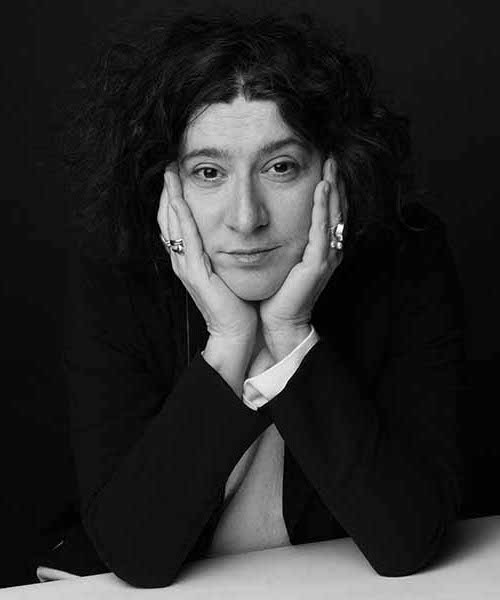
Maria Stepanova
Maria Stepanova is a poet, essayist, journalist, and author of over 10 poetry collections and three books of essays. Her poetry collections Holy Winter 20/21 (2024) and War of the Beasts and the Animals (2021) were Poetry Book Society Translation Choices and won PEN Translates awards. In 2018, she won the Bolshaya Kniga Award for her novel In Memory of Memory (2021). She has been awarded numerous literary awards, including the Andrey Bely Prize and Joseph Brodsky Fellowship. After Russia’s invasion of Ukraine, the online independent crowd-sourced journal that she founded, Colta.ru, was shut down along with other dissent. A prominent critic of Putin’s regime, she now lives in exile.
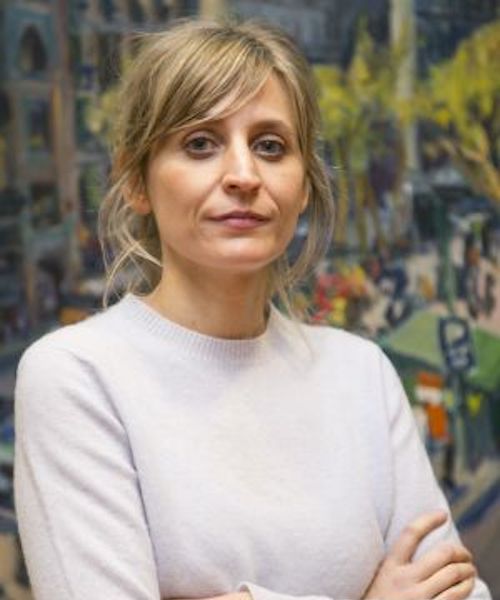
Paul Elie
Paul Elie is a senior fellow at Georgetown University’s Berkley Center for Religion, Peace, and World Affairs and a regular contributor to the New Yorker. He is the author of The Life You Save May Be Your Own: An American Pilgrimage (2003) and Reinventing Bach: Music, Technology, and the Search for Transcendence (2012), both National Book Critics Circle Award finalists; The Last Supper: Art, Faith, Sex, and Controversy in the 1980s was published in May 2025. He also writes for the New York Times and its Book Review and Sunday magazine, The Atlantic, Vanity Fair, and Commonweal.
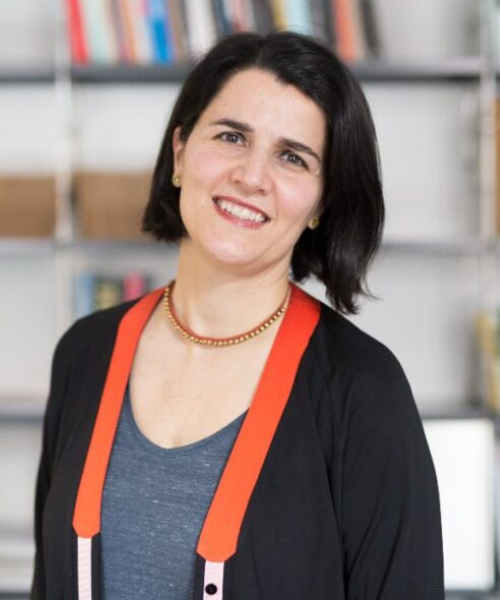
Judit Carrera
Judit Carrera is director of the Centre de Cultura Contemporània de Barcelona. With over 25 years of experience in the field of culture and international relations, Carrera has promoted European projects and collaborated with leading institutions across the continent. Before coming to the CCCB, she worked at UNESCO in Paris. Carrera is a regular contributor to the media and a member of literary juries and the boards of various academic and cultural institutions, both locally and internationally. In 2022 she won the Diffusion Award of the Setmana del Llibre en Català and was named Chevalier des Arts et des Lettres by the French Ministry of Culture.
Accessibility
Please email globaldialogues@georgetown.edu by March 25 with any accessibility requests. A good-faith effort will be made to fulfill all requests made after this date.