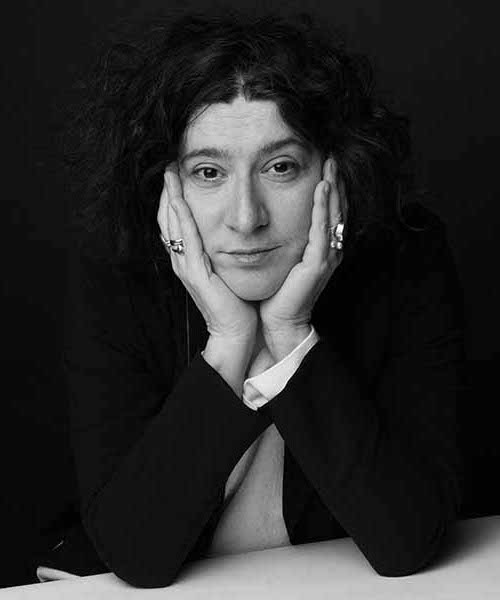
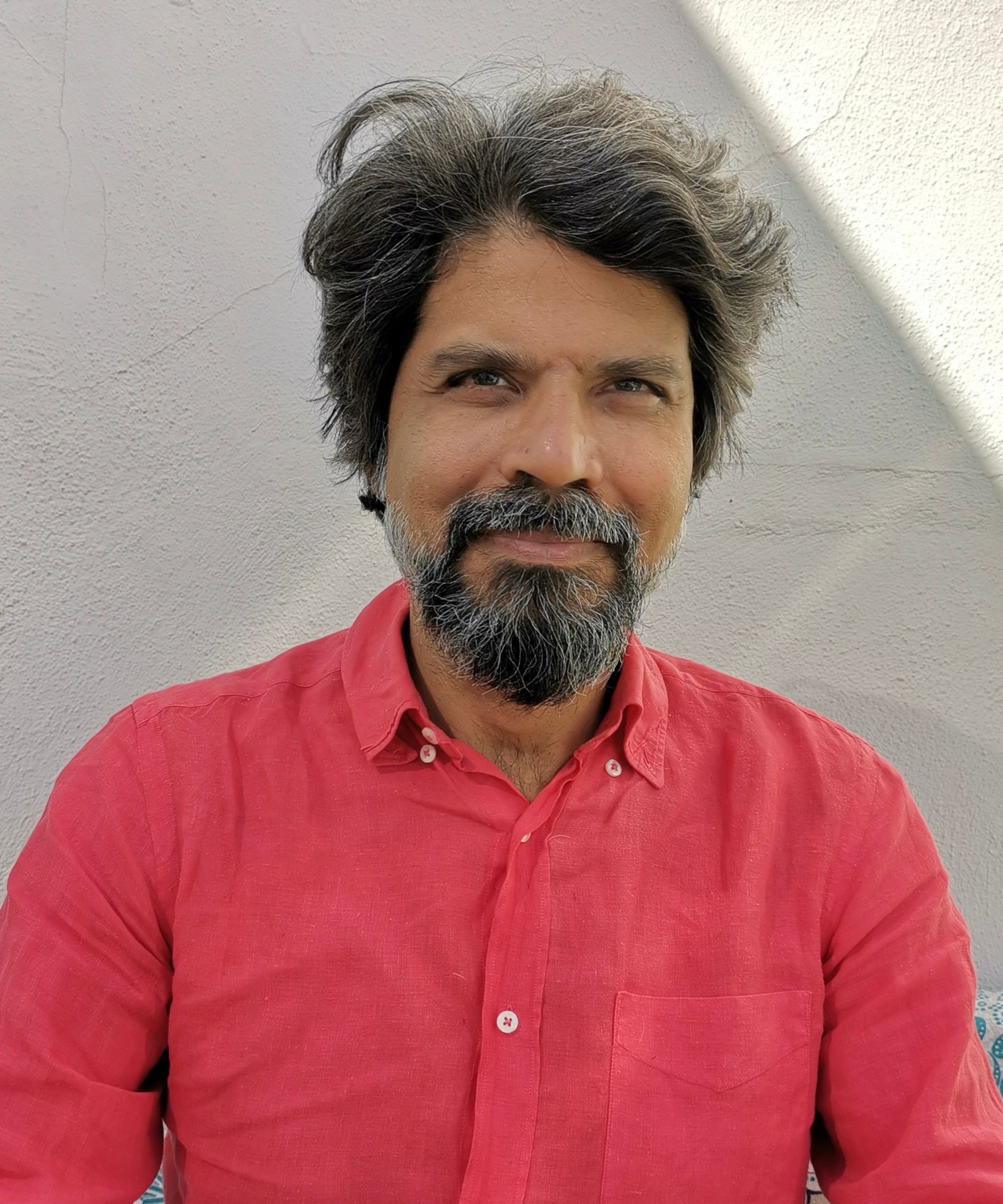
In this conversation, Maria Stepanova described growing up in Moscow in a family with varied backgrounds: some hailing from absolute poverty, others from serious wealth, so diverse that "if not for the unbelievable and violent mélange of all the social strata during the revolution, they would never have met one another." Her own youth in Moscow was regimented and tame, where "improper writing" and even minor dissidence was punished, and the past controlled. Pankaj Mishra pointed out that the idea that the past is clean and seamless, and that aspects of it can be recovered whole forms a dangerous part of nationalistic politics not just in Russia but around the world. In converse, Stepanova said, we're now suffering from a crisis of being unable to imagine a future, particularly a desirable future. Literature, the secular religion of the last two centuries, has lost ground as well, but it is still able to retain its dignity, offer us answers, and allow us "to endure the presence of the sublime."
The GGD Conversations series is a collaboration between the Georgetown Global Dialogues and Equator.