Monday, March 30, 2026
2:45 p.m. - 4:00 p.m. (GMT+02:00) Barcelona
Location: Centre de Cultura Contemporània de Barcelona and Livestream
Monday, March 30, 2026
2:45 p.m. - 4:00 p.m. (GMT+02:00) Barcelona
Location: Centre de Cultura Contemporània de Barcelona and Livestream
Much of the current debate around AI centers rightly on its implications for the economy and for job displacement in particular. At a more fundamental level, though, the explosion of human-machine interaction raises fundamental questions about what it means to be human. What remains–and will remain–distinctive about human intelligence, creativity, and community in an AI-infused world? Does AI pose an existential threat, and if so, how?
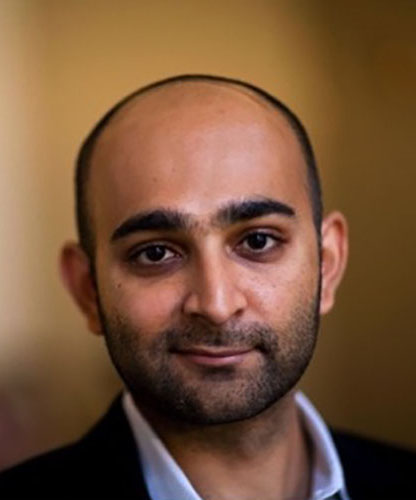
Mohsin Hamid is an acclaimed British Pakistani author known for creative fiction and commentary that address contemporary global issues. His recent novels include The Last White Man (2022) and Exit West (2017), which received the 2017 Los Angeles Times Book Prize for Fiction. His book The Reluctant Fundamentalist (2007) was shortlisted for the Man Booker Prize and later adapted into a successful film. Hamid’s engagement with themes of political turmoil, cultural displacement, and shifting individual and collective identities informs his influential essays on contemporary affairs in leading outlets including The Guardian, The New York Times, and The Paris Review.
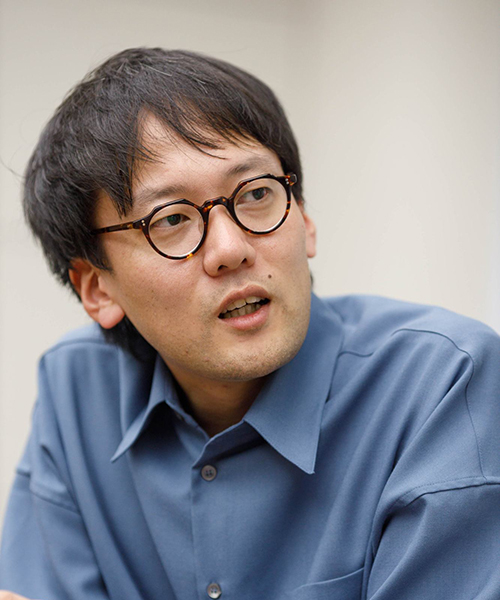
Kohei Saito is an associate professor of philosophy at the University of Tokyo and a leading contemporary Marxist thinker. His most recent book, Capital in the Anthropocene (2020), has sold more than half a million copies in Japan and was published in English as Slow Down: The Degrowth Manifesto in January 2024. Saito’s previous book, Karl Marx's Ecosocialism: Capital, Nature, and the Unfinished Critique of Political Economy (2017), which creatively explored the ecological dimension of Marx’s thought and its contemporary relevance, won the Deutscher Memorial Prize.
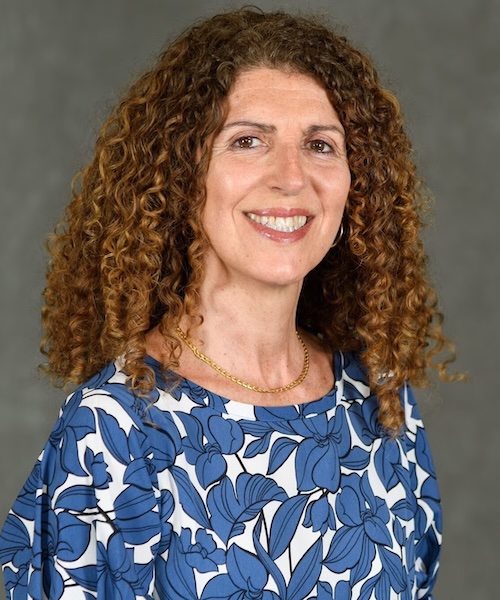
Nicoletta Pireddu is a specialist in comparative literature whose research focuses on modern and contemporary European literary and cultural relations, especially in Italian, French, and British contexts. Her work explores national and transnational identities, borders and migration, cosmopolitanism, Mediterranean and island studies, literary theory, anthropology and literature, history of ideas, early science fiction, and translation studies. She holds a laurea from Italy, a Dottorato di ricerca from Ca’ Foscari University of Venice, and a Ph.D. from UCLA.
Please email globaldialogues@georgetown.edu by March 25 with any accessibility requests. A good-faith effort will be made to fulfill all requests made after this date.